AI search
What AI search means for your business
Anthony · November 21, 2026 · 4 min read
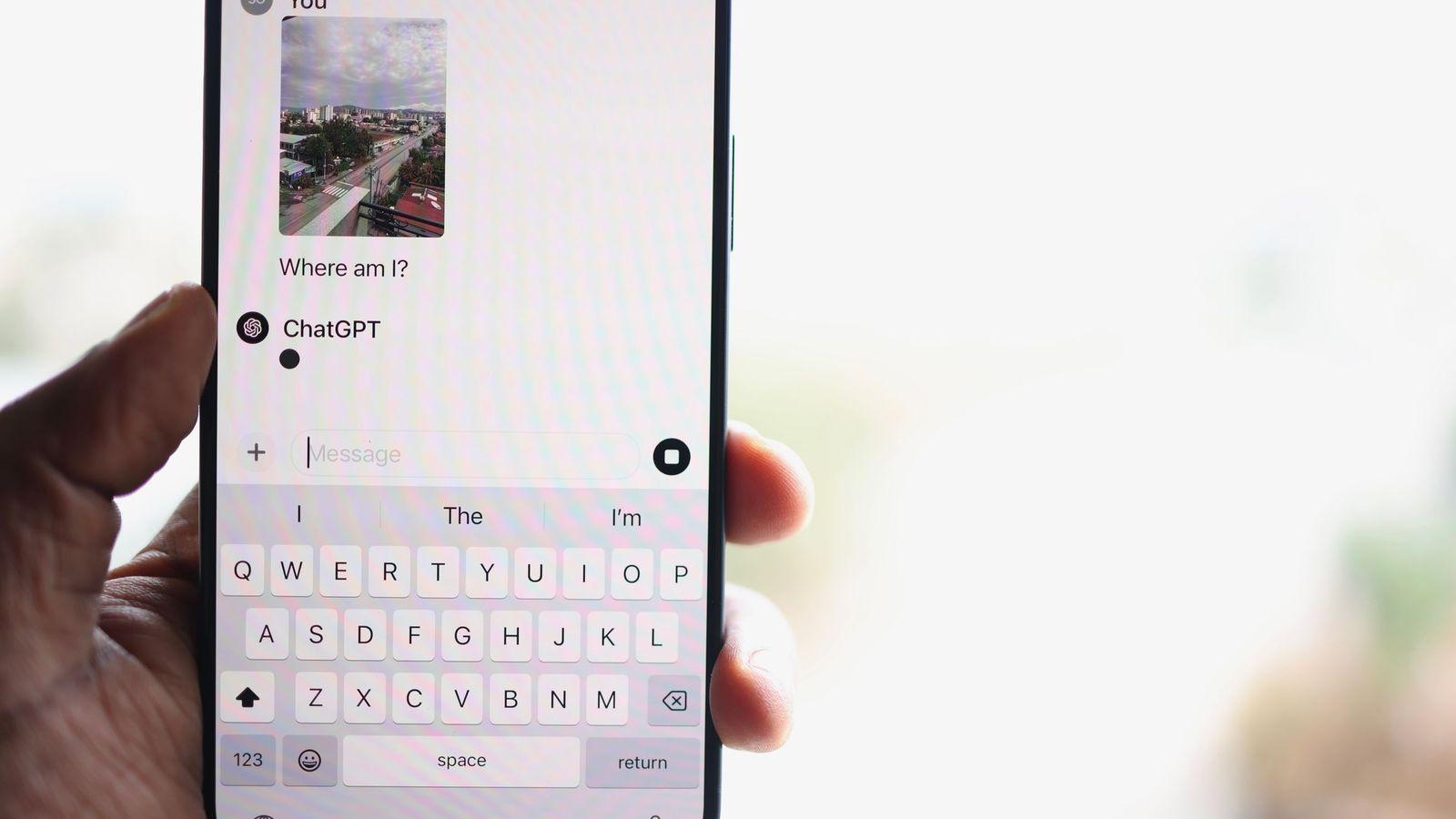
A customer used to type "plumber near me" into Google and scroll. More and more of them now type a whole question into ChatGPT, or read the AI answer Google puts at the top of the page, and call whoever it names.
That's a real change, and a lot of owners I talk to in Monmouth County are worried about it. Here's what's actually happening, without the hype.
How many people are actually doing this
More than you'd think. 45% of people used ChatGPT or another AI tool to find a local business in the past twelve months, up from 6% the year before. ChatGPT was the most used, followed by Google's own AI Mode.
On Google itself, you don't even have to ask. Its AI Overviews now show up on about 68% of local searches, sitting above the normal results.
So even customers who never open ChatGPT are reading an AI's answer before they see your listing.
What the AI reads before it answers
These tools don't know your business. They read about it, and then they summarize what they read. For a local business, that mostly comes from four places:
- Your Google Business Profile. The map listing with your hours, address, photos and reviews. In a study of nearly two million AI citations, it was the single biggest source, at 28.6% of citations.
- Your reviews. What customers say, and how recently they said it.
- Other sites that mention you. Directories, local news, Yelp, Reddit threads, the chamber of commerce.
- Your own website. The one place where you get to say what you do, where, and for how much, in your own words.
Not every tool reads all four the same way. ChatGPT doesn't have access to your Google reviews, for example, and leans on its own search index and sites like Yelp. That's exactly why it pays to be clear and consistent everywhere, not just in one place.
Where your website fits
Your Google profile is a form with boxes. Your website is where the detail lives: what each service actually includes, which towns you cover, what it roughly costs, how booking works, what makes you different.
When an AI tool is asked "who does same-day water heater repair in Middletown?", it needs a page somewhere that says those words. If your site says it plainly, you've given it something to repeat. If your only presence is a Facebook page, there's usually nothing it can read at all. I wrote about that in Why a Facebook page isn't enough anymore.
Google says it plainly in its own guidance: there's no special "AI markup". Its AI features use the same crawling and indexing as normal search. A site that Google can read well is a site its AI can read well.
What you can actually do this month
None of this needs a big budget. In order:
- Claim and fill in your Google Business Profile. Every field. Real photos, correct hours, the right main category, your service area.
- Ask happy customers for a review. Make it easy with a direct link. A steady trickle beats a burst once a year.
- Make your website say the obvious things in plain words. What you do, the towns you serve, starting prices, hours, and how to book. Near the top, not buried on page four.
- Keep your name, address and phone the same everywhere. Google, Yelp, Facebook, your site. Mismatches make every system less sure it's looking at the same business.
- Answer the questions customers really ask. If you hear "do you do weekends?" three times a week, put the answer on your site.
On the sites I build, the technical side is handled for you: the structured data that tells search engines "this is a local business, here are its hours", a sitemap, and pages that load fast on a phone. That's the part an owner shouldn't have to think about.
What nobody can promise you
Be careful with anyone selling "guaranteed ChatGPT rankings". It doesn't exist.
Right now, only about 1.2% of local business locations get recommended by ChatGPT at all. These tools change how they pick answers every few months, and nobody outside those companies controls it.
What you can control is whether you're easy to find, easy to understand and easy to trust when one of them goes looking. That's the same thing that's always made a business easy to recommend, from a neighbor or from a machine.
The short answer
AI search didn't make your website less important. It made it more important, because a website is the one source you fully control that every one of these tools can read.
Get your Google profile right, collect reviews, and make sure your site says plainly what you do and where. That's where most of the owners I work with start, and you can see where it goes six months after launch.
AI tools don't recommend the best business. They recommend the one they can read about. Make sure that's you.